
Bawa Hope: Where Wings of Hope Lift Communities from Poverty

By Megy Karydes
As part of a series of "fireside chats" sponsored by R.I.S.E. Artisan Fund, Andrew Mutisya shared his vision as co-founder of Bawa Hope.
In Swahili, "bawa" means wing. For the artisans working with Bawa Hope in Nairobi, Kenya, that wing offers something more: the lift to escape cycles of poverty that have defined their lives. Founded in the aftermath of Kenya's post-election violence in 2008, Bawa Hope has become a bridge between marginalized communities and global markets, transforming trauma into beauty through contemporary, ethnic brass jewelry, beaded jewelry, and woven baskets.
The enterprise's origin story began in an internally displaced persons (IDP) camp in January 2008, where founder Anne Nzilani encountered women making jewelry amid the chaos of displacement. When Anne asked one woman why she continued creating despite losing everything, the response became the company's north star: "The poorest person in the world isn't one without food and shelter, but one without hope."
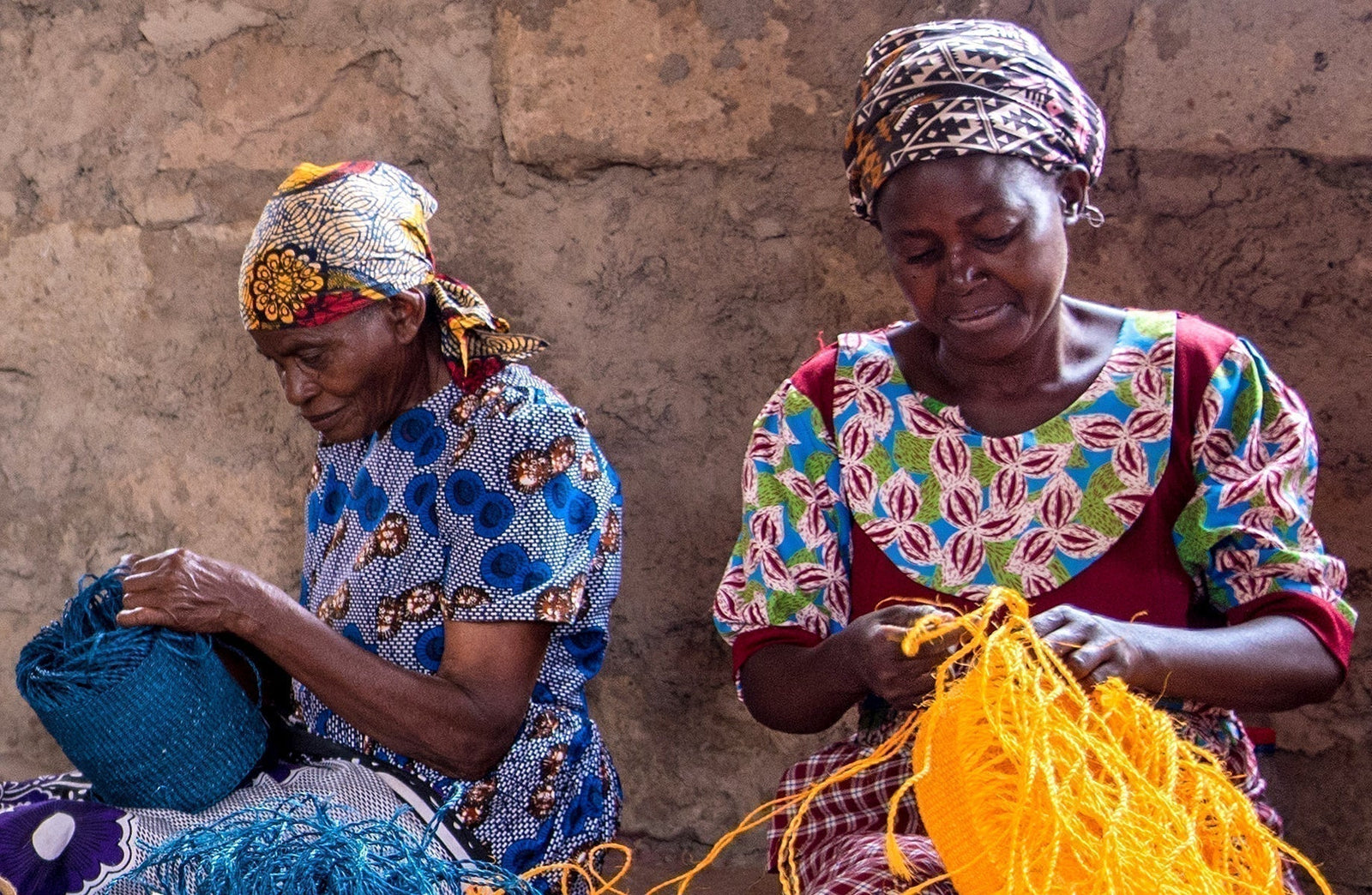
That conviction drives Bawa Hope's work with over 300 artisans across three distinct communities which include 156 women basket weavers in Kenya's semi-arid Lower Eastern region, 120 refugees in camps near the South Sudan border, and 70 brass artisans operating small workshops in Nairobi's informal settlements. The enterprise's model intentionally seeks out populations that other companies overlook: refugees traumatized by war, women in rural areas with limited alternatives, and artisans working in conditions without basic dignity.
 Bawa Hope works with 70 artisans who run small workshops in the informal settlements of Nairobi to make brass jewelry. © 2026 Bawa Hope
From Homelessness to Hope
The transformation happens one artisan at a time. Andrew recounted the story of a man who approached Bawa Hope while living on Nairobi's streets, sleeping in a local hospital while pretending to wait for treatment. His first order, for 600 Euros worth of brass jewelry, seemed almost incomprehensible. Through mentorship on financial literacy and connections to other buyers, he rebuilt his life: bringing his family from rural areas to the city, helping his wife open a restaurant, and sending one son to university in Canada on scholarship while another attended high school. Perhaps most telling is that he now volunteers by teaching stitching skills to women in another settlement.
“That is impact,” Andrew shared, with emphasis. “When we see people moving out of the slum area where they were living and going into better housing, where there's dignity, where they can get clean water and provide for their homes,” he explained.
Honoring Tradition While Reaching Contemporary Markets
Navigating between cultural heritage and contemporary design requires careful balance. For the Maasai community, colors carry deep meaning so introducing neutral palettes to meet the trends and demands of international markets initially met resistance, according to Andrew.
Bawa Hope's solution: respect traditional techniques while adjusting aesthetics. Basket weavers continue using ancestral sisal weaving methods, but the enterprise introduces azo-free dyes and teaches color mixing for market-ready palettes. Brass artisans maintain metal casting expertise while incorporating contemporary shapes with distinctly African touches.
For refugee artisans in camps near South Sudan, Bawa Hope provides all materials since sourcing supplies remotely proves nearly impossible. “Payment structures ensure artisans earn well above Kenya's minimum wage and often nearly double the standard $5-6 daily rate,” Andrew said.

Bawa Hope works with 156 women in the Lower Eastern region of Kenya to make sisal baskets for sustainable home decor. © Bawa Hope 2026
More Than Economic Transaction
For many of Bawa Hope’s artisans, working with them means strengthening their communities.
The women's basket-weaving groups operate as mutual support networks, forming table banking circles where pooled resources rotate among members. Some groups purchase tents that generate rental income during village events. Others buy chairs for community gatherings.
These meetings, Andrew said, serve mental health needs as much as economic ones. Women share challenges, mentor younger weavers, and maintain bonds in areas where isolation can be devastating.
During a recent visit to the weavers, Andrew witnessed this intergenerational transfer firsthand. "We found younger ladies who had come in, and they were being trained by the older ones,” Andrew explained.
“They’re seated there and shown how to weave. After they learn, they will teach their daughters. It's more than just the basket weaving," he reflected. "It's togetherness, it's sisterhood."
Building Infrastructure for Dignity
In 2021, Bawa Hope opened their own workshop, which was a milestone Andrew described with pride. The significance extends beyond square footage to basic dignity: working toilets, running water, lunch provisions, clean tools, and safe workspaces. The workshop now employs 12 women and men full-time, most recruited from the surrounding informal settlement.
The materials used by the artisans also reflect sustainability commitments. They use sisal harvested by basket weavers, recycled brass from scraps of discarded items, cow horn and bone that would otherwise become waste, and brown olive wood from fallen trees. Looking ahead, Andrew envisioned the workshop welcoming tourists and shifting governmental perception of handicraft as a legitimate export sector alongside Kenya's celebrated tea, coffee, and flowers.
 Bawa Hope employs 12 artisans who produce beaded jewelry in their workshop. © 2026 Bawa Hope.
The Price of Fair Wages
When customers express concern at pricing, Andrew has a ready response: "Yes, you might see a product that is coming from Africa, from Kenya, particularly, and say it's expensive, but that means that by buying it, even if it's that two, three or $7 on top, it means someone is better paid on the other side."
That premium represents something Andrew comes back to again and again: dignity. It means the difference between survival and security, between accepting circumstances and building futures. For Bawa Hope, the metric of success isn't sales volume but transformed lives. It means artisans who no longer struggle with school fees, who are able to open side businesses, who teach others, and have the ability to move from informal settlements to stable housing.
The enterprise operates under no illusions about scale. They cannot transform an entire city. But the few hundred artisans whose lives change create ripples that extend to families, communities, and the next generation learning traditional crafts with new economic purpose.
"We are a wing of hope," Andrew emphasized. "We are giving hope to the artisans."
In a landscape of fast fashion and cheap goods, that hope—and the dignity it enables—may be the most sustainable product of all.
"We are not going to help you live better in the slum," Andrew emphasized. "We want to make sure that you get out of the slum." Success means artisans moving into housing with running water, enrolling children in school without struggle, and building financial stability beyond immediate survival.
In 2025, R.I.S.E. Artisan Fund announced Bawa Hope as one of its eight recipients of its Market Development Grant Program for 2025. The program supports artisan enterprises with a clear mission to increase incomes to underserved communities, preserve traditional craft techniques, and address the environmental impact of their production.
Impact Opportunities
To learn more about these impact opportunities:
The R.I.S.E. Artisan Fund invests in early-stage artisan enterprises creating sustainable livelihoods for rural communities with few economic alternatives.
To invest via the R.I.S.E. Artisan Fund, you can make a tax-deductible contribution directly or via a grant from your donor advised fund (DAF). You can also co-invest directly in select investment opportunities.